Aerospace 'not yet' on track for net-zero: Airbus chief
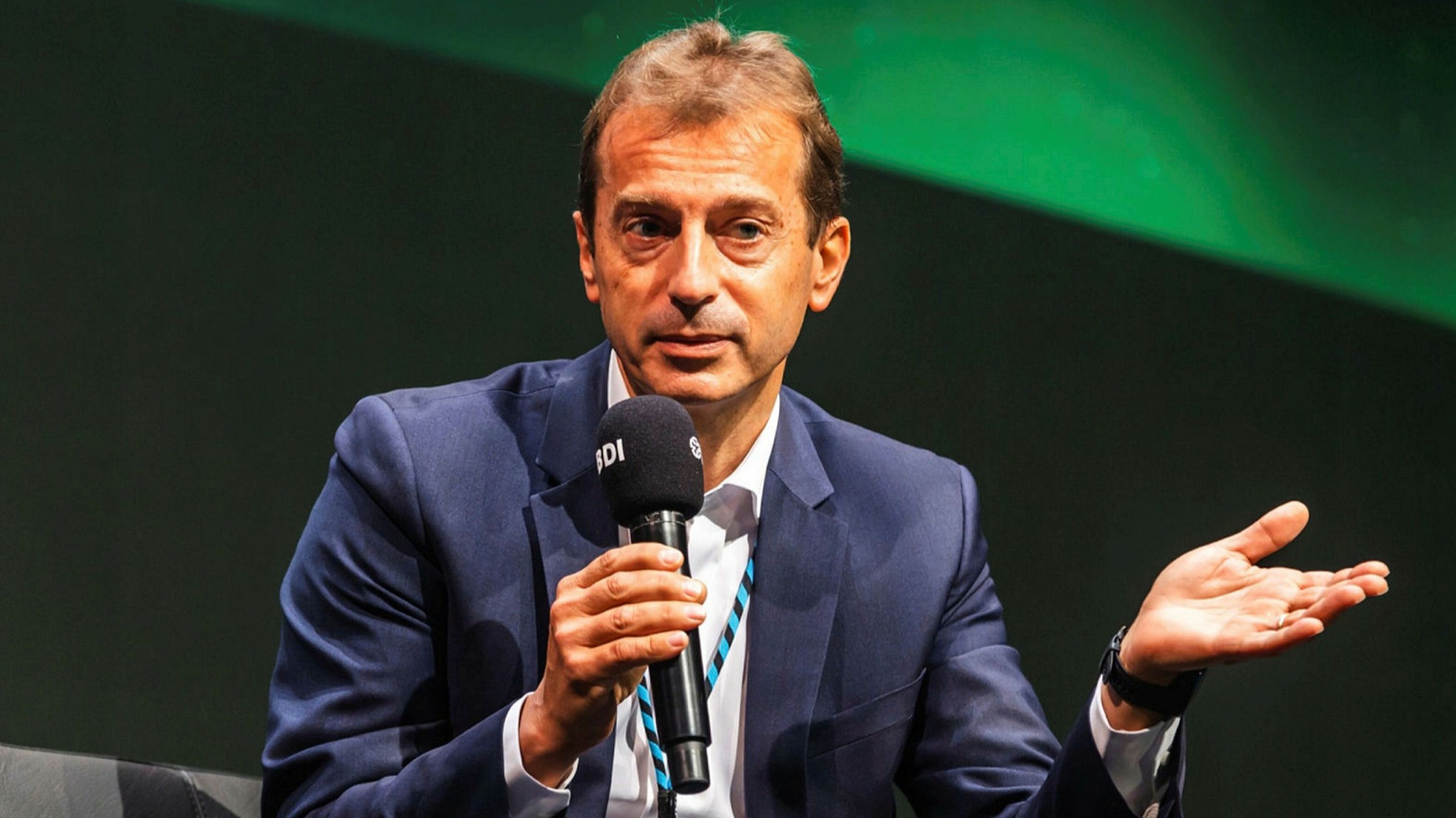
Efforts by the air transport sector to become carbon-neutral by 2050 are being hampered by a lack of investment in production capacity for sustainable aviation fuels and hydrogen, in the view of Airbus chief executive Guillaume Faury.
Speaking at the Airbus Summit media briefing on the European airframer’s sustainability activities on 30 November, Faury said: “Is the aerospace industry on track to meet its target? I think the realistic concern is not yet.”
He highlights that “SAF will need to be produced at many times the level of today” in order to meet mandates for its use by 2030, but acknowledges: “Our ambition is not yet matched by action.”
Beyond investment to scale up SAF supply, he demands “more ambitious targets” for the planned gradual replacement of fossil-based kerosene.
“Similarly, the infrastructure for producing and distributing green hydrogen is still in the early stages of development. But the clock is ticking for it to be in place to fuel commercial aviation by the 2030s and probably many other sectors much earlier.”
He adds: “It is difficult to overstate the scale of the energy challenge.”
Faury cites data by the International Energy Agency which estimates that around $4 trillion of annual government investment will be required to meet net-zero targets by 2030. Current IEA projections suggest that only half this spending will be achieved, he notes.
“The pace of change may feel uncomfortable, but radical change always is.”
He argues the aviation sector has a “credible roadmap to net-zero by 2050” and says “the time for excuses is over, the time for action is upon us.”
A lack of progress on the establishment of a hydrogen supply infrastructure could affect Airbus’s timeline for its planned zero-emission passenger aircraft, Faury indicates.
The programme will require a launch decision by 2028 to meet its planned service-entry target in 2035. If the airframer were to reach that decision point and be in a “situation where there will be no certainty that by entry into service by 2035 there would not be enough hydrogen available in the right conditions available, that could be a reason on delaying the launch of the programme, even if the technologies for the plane itself are mature,” Faury says.
“We take this energy dimension very seriously.”
Faury believes that the aircraft’s development and certification is “probably not the most difficult part” of the plan of bringing a hydrogen-powered passenger aircraft into service.
He notes a need for a new regulatory framework to certificate and operate such aircraft and the hydrogen production and distribution infrastructure on the ground as an area of substantial change.
But he highlights: “The availability or lack of availability of green hydrogen at the right quantity, at the right place, at the right price in the second half of the next decade is a big concern for me. That’s why we are acting a lot with the energy sector.”
The requirement of new fuels has changed the airframer's role, Faury says. “We are no longer just focussing on planes. That was probably enough for the past decade. It’s not going to be enough for the future.”